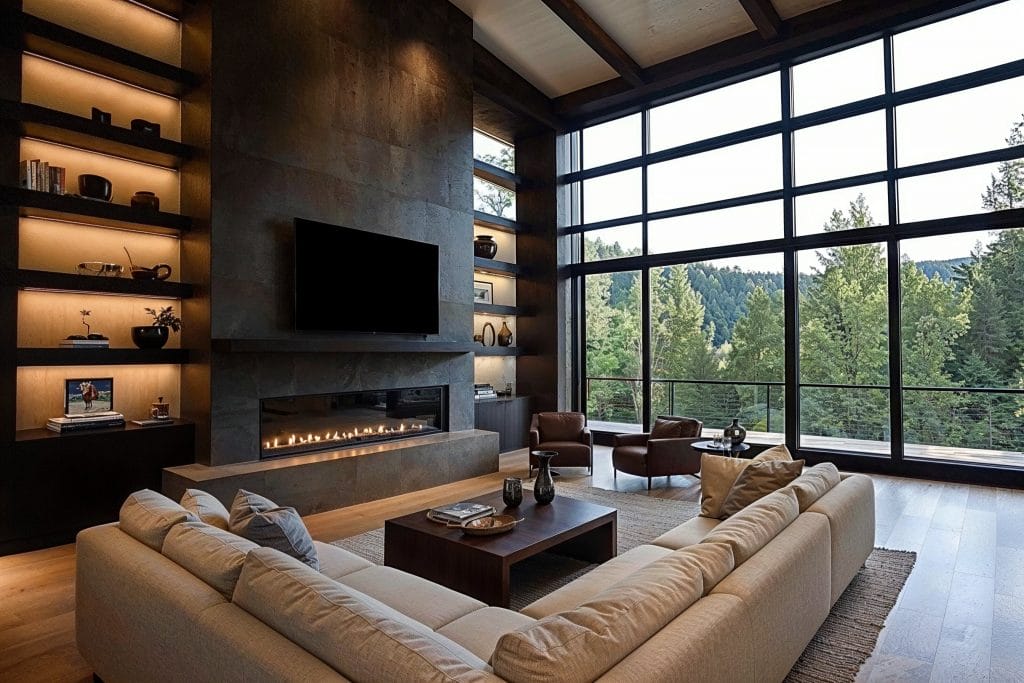
Julie Schuster is renowned for her warm, wellness-focused approach to interior design, and her work is transforming how we envision the homes of tomorrow. Blending human-centered design with intuitive technology, she creates living spaces that are not just stylish but supportive, healthy, and deeply connected to the way people live. Her vision presents a refreshing perspective on the future of smart homes: calm, accessible, and beautifully integrated.
Who Is Julie Schuster?
Julie Schuster is a New York–based interior designer and educator known for her emphasis on wellness, universal design, and behavior-focused interiors. Instead of treating technology as an add-on, she incorporates it into everyday living in subtle, meaningful ways. Her philosophy centers on creating spaces that enhance comfort, safety, and emotional well-being—without sacrificing beauty.
How Schuster Sees the Future of Design + Technology
Schuster believes technology should feel effortless. It shouldn’t overwhelm the home or clutter visual space. Instead, it should blend quietly into the background and make life smoother, safer, and more enjoyable.
- She emphasizes three key ideas:
- Seamless integration instead of visible gadgets
- Wellness as a design priority
- Technology that adapts to lifestyle needs
Wellness-Focused Smart Homes
Wellness is central to Schuster’s identity as a designer. She sees technology as a tool that can significantly improve mental and physical well-being. Some innovations she highlights include
Smart lighting: Lights that shift color and brightness to support natural energy levels and circadian rhythms.
Air and water quality sensors: Systems that monitor allergens, humidity, and purity for a healthier indoor environment.
Comfort-driven climate control: Thermostats that learn habits and personalize temperature settings.
Technology Supporting Accessibility
Schuster is a longtime advocate of universal design, and modern technology amplifies its power. Homes can now support people of all ages and abilities through:
- Voice-activated appliances
- Motion-sensitive lighting
- Smart door locks
- Touch-free faucets
- Motorized cabinets
These changes make independent living easier and safer, especially for seniors or those with mobility challenges.
Smarter Kitchens and Connected Living
In Schuster’s view, the kitchen is evolving into the smartest room in the home. Examples include:
- Smart refrigerators that track groceries
- App-controlled ovens
- AI cooking assistants
- Sensor-based faucets
Together, they transform cooking and meal prep into a cleaner, healthier, and more efficient experience.
Eco-Friendly Technology for Sustainable Homes
Sustainability is another key part of Schuster’s design mindset. She supports solutions like
- Energy-efficient smart thermostats
- Automated window shading
- Solar-powered lighting
- Water-saving irrigation systems
- Real-time energy tracking apps
These technologies help homeowners reduce waste while maintaining comfort and style.
Bringing Schuster’s Ideas Into Your Own Home
You can start embracing Julie Schuster’s vision even without a full renovation.
Practical Steps
- Install smart lighting to improve mood and ambience
- Add wellness sensors for air and humidity
- Introduce accessibility tools like voice assistants
- Use hidden charging stations to reduce clutter
- Adopt eco-friendly automation such as smart thermostats
These small upgrades quickly make a space feel more modern, calm, and personalized.
Conclusion
Julie Schuster’s work shows that the future of home design isn’t just about technology—it’s about people. Her vision blends beauty with practicality, innovation with well-being, and smart features with emotional comfort. As homes become more intuitive and connected, her philosophy ensures they remain warm, welcoming, and deeply human.